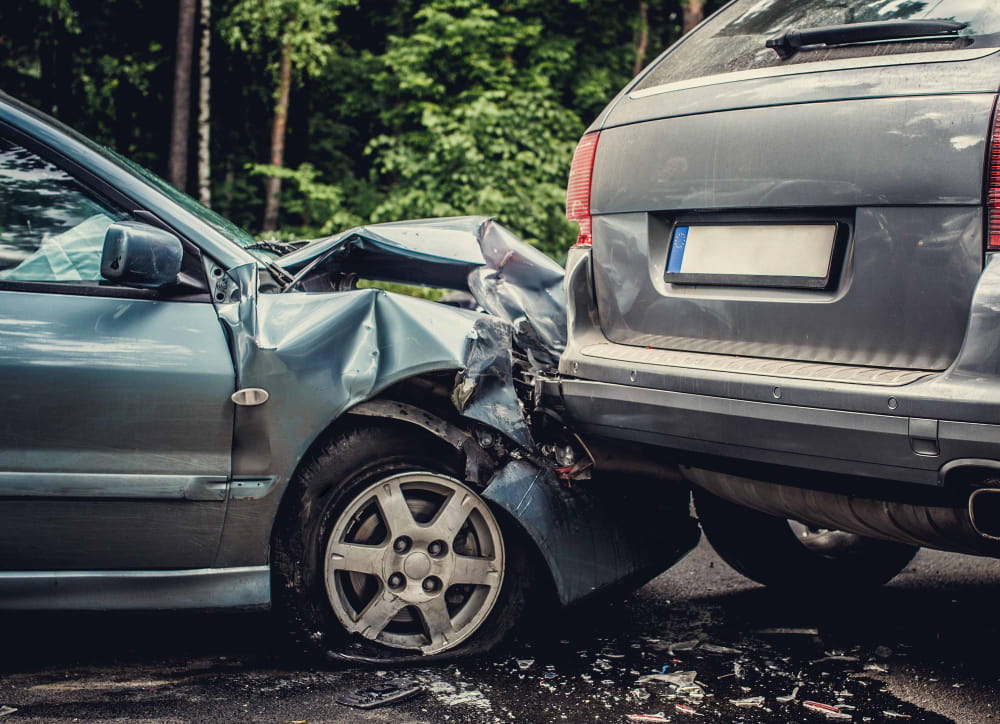
Rear-end crashes on Staten Island can happen almost anywhere traffic slows down. They are common at stoplights, near bridges, on the Staten Island Expressway, in parking lots, and along busy local roads. These crashes may seem simple at first, but fault is not always clear. Drivers may argue about sudden stops, road conditions, brake lights, vehicle defects, or multiple impacts.
People dealing with injuries, disputed fault, or insurance questions after a rear-end collision can speak with a Staten Island car accident lawyer. This blog explains who may be liable, what evidence can support a case, and what injured people should do after a rear-end collision. New York also requires drivers to file a motorist crash report when anyone is injured or killed, or when one person’s property damage is more than $1,000.
Who May Be Liable After a Staten Island Rear-End Crash?
The Rear Driver Is Often Responsible, but Not Always
The rear driver is often blamed for a rear-end crash. That is because drivers are expected to keep a safe following distance and be ready to stop. Common mistakes include tailgating, speeding, texting, distracted driving, following too closely in traffic, impaired driving, and failing to adjust for rain, snow, or congestion.
New York courts often treat a rear-end crash with a stopped or stopping vehicle as a prima facie case of negligence against the rear driver. Still, the rear driver may try to give a non-negligent explanation. Liability depends on the facts, not just the crash type.
Other Drivers or Outside Factors May Share Fault
Some rear-end collisions may involve multiple liable parties. This is especially true when multiple vehicles are involved in an accident, or the traffic situation is precarious. Shared-fault scenarios may arise due to reckless lane changes, unexpected vehicle cuts, malfunctioning brake lights, chain-reaction accidents, road debris, hazardous weather conditions, roadwork sites, or defective vehicles.
New York’s no-fault law typically provides first-party benefits that cover medical expenses and loss of earnings following a motor vehicle accident irrespective of fault. A claim against the offending motorist may also be possible depending on the injuries, insurance options, and if the other party is proven to be at fault.
What Evidence Can Support a Rear-End Collision Claim?
Photos, Videos, and Witnesses Can Show Impact Details
Rear-end collision evidence can be quickly lost due to vehicle movement, debris removal, and traffic flow restoration. Take photos of the damage to both cars, license plates, skid marks, debris, traffic signs, road conditions and weather, any injuries, and the crash site itself.
Witnesses’ names, phone numbers, dash-cam videos, business surveillance cameras, and pictures taken before any vehicles were removed can also be useful. The damage pictures will show the impact speed and direction, the type of collision, whether it was a “chain reaction,” and if the front car was parked or pulling out.
Medical Records and Reports Help Prove Harm
Rear-end collisions have the potential to cause a range of injuries including neck trauma, back damage, concussions, shoulder damage, nerve damage, and soft tissue injuries. Some injuries may present immediately, while others may take longer to manifest. Regardless of the circumstances, it is important that those injured seek medical attention as soon as possible.
NYPD collision reports may be requested from the precinct during the first 30 days. After that, requests usually go through the New York DMV. Useful records may include medical notes, imaging results, physical therapy records, prescriptions, repair estimates, wage records, tow bills, and insurance letters.
What Steps Should You Take After a Rear-End Crash?
Report the Accident and Start the Insurance Process
Call 911 if anyone is injured, if vehicles block traffic, if a driver leaves the scene, or if the crash creates danger for other motorists. Do not stand in traffic to argue or take photos. Exchange driver, insurance, vehicle, and contact information before leaving the scene.
New York no-fault rules require written notice to the proper insurer as soon as reasonably possible, but no later than 30 days after the accident unless there is a clear and reasonable reason for delay. Keep copies of claim forms, medical bills, appointment records, mileage logs, and all insurer messages.
Avoid Mistakes That Can Weaken the Claim
Insurance companies may take advantage and deny your injury, question the severity of the crash, the nature of treatment, pre-existing conditions, and whether the front seat driver caused the crash even if it was the rear seat driver’s fault. Do not make any recorded statements before you understand your rights. Do not sign any releases for a quick payout.
Do not assume how fast or far you were driving. Save the damaged property, pictures, videos from the dashcam, medical bills, directions for therapeutic treatments, and repair estimates or receipts. Additionally, store all written correspondence with the insurance company. An experienced lawyer can help you evaluate your needs, explain what coverage you have, determine liability, help preserve evidence, and even advise you if you have a personal injury claim.
Conclusion
Staten Island car accidents, particularly rear-end collisions, often involve the driver of the vehicle in front. Rear-end collisions often create an initial case of negligence against the rear driver, although the front driver, another motorist, a vehicle manufacturer, or another party may share responsibility in some cases. However, there are several other contributing factors that can be taken into consideration when determining who is responsible for the damages.
Evidence such as photographs or video footage of the accident scene, witness statements, police reports, medical documents, repair estimates, dashcam videos, and insurance records can be used to gather crucial information. Prompt medical attention, reporting the incident to the appropriate authorities, notifying your insurance provider, and retaining all relevant documents regarding the accident can ensure that your claim is processed correctly and that your rights as an injured party are secured.