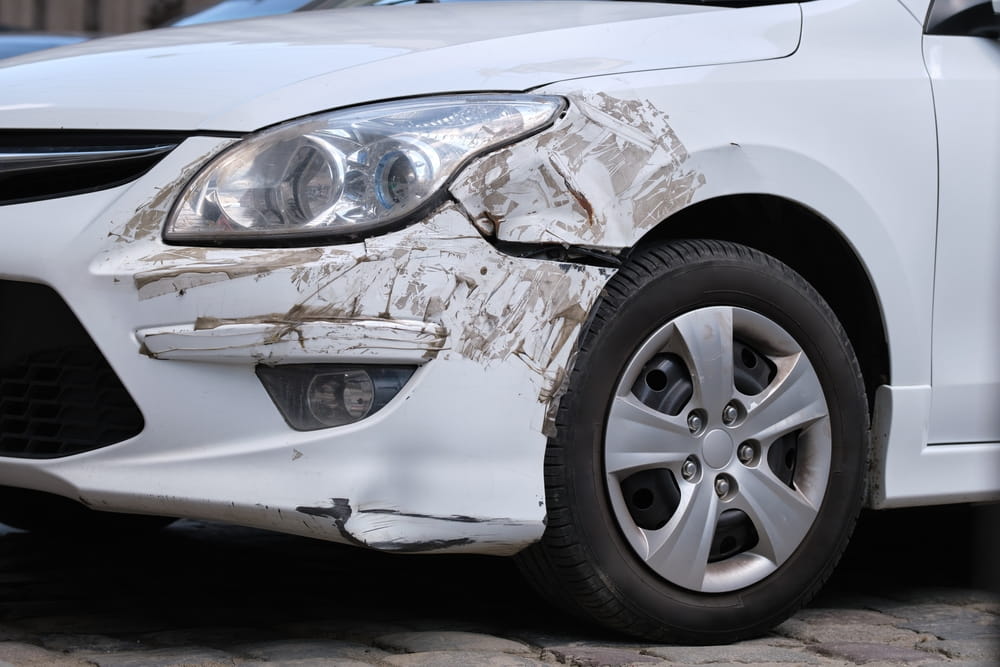
A Staten Island hit-and-run accident can leave you injured, without the other driver’s information, and wondering how you will recover your losses. You may still have options even if the driver leaves the scene. When the driver is identified, you may pursue compensation if their negligence caused your injuries. If the driver cannot be found, no-fault benefits, uninsured motorist coverage, MVAIC, or another insurance source may still provide financial recovery.
Recovering compensation often begins with an insurance claim rather than a lawsuit. New York requires drivers involved in injury crashes to stop and provide identifying information. A Staten Island car accident lawyer can investigate the crash, preserve evidence, identify available insurance coverage, and protect your legal rights throughout the claims process.
Table of Contents
- Check Coverage Before Suing the Hit-and-Run Driver
- Review How Hit-and-Run Claims Can Move Forward
- Avoid Mistakes That Can Limit Your Recovery
- How Can a Staten Island Hit-and-Run Lawyer Help
- Frequently Asked Questions
Check Coverage Before Suing the Hit-and-Run Driver
Use No-Fault Benefits for Medical Bills First
New York no-fault coverage is your first option for payment after a motor vehicle accident. It covers medical and lost wage benefits, as well as other accident-related expenses, up to a certain amount regardless of who caused the crash. Basic coverage pays for up to $50,000 in economic losses per person, and that can be critical after a hit-and-run since you may need medical treatment before finding the person who fled the scene.
Check Uninsured Motorist and MVAIC Options
Uninsured motorist coverage may be triggered by a hit-and-run driver who causes an accident and injures someone. The New York DFS provides that the above insurance covers any bodily injuries sustained by the insured, any resident family members, or by any occupants of a vehicle injured by a hit-and-run motorist. If there is no applicable auto policy, your household auto policy is an option. DFS recommends that drivers who are injured by a hit-and-run driver and do not have their own auto policy or a household auto policy file a claim with the MVAIC.
Review How Hit-and-Run Claims Can Move Forward
When the Driver Is Found After the Crash
Police, witnesses, cameras, license plate details, or vehicle debris may help identify the fleeing driver. The injured person may then have a personal injury claim against that driver or another liable party. The claim still needs proof of negligence, liability, injuries, medical expenses, lost wages, and other damages. Useful evidence may include police reports, surveillance footage, dashcam video, witness statements, repair records, and medical records.
When the Driver Is Never Identified
Many hit-and-run claims are left hanging even when the person causing the crash is never located. The insurance may be recovered via no-fault benefits, uninsured motorist coverage, MVAIC, health insurance, or a responsible party if applicable. There are options for a pedestrian, passenger, cyclist, rider in a taxi or rideshare vehicle, or the driver. An investigation may still determine whether the accident occurred as alleged and whether injuries were caused.
Avoid Mistakes That Can Limit Your Recovery
Do Not Delay Police or Insurance Notice
Hit-and-run claims depend heavily on fast reporting. New York DFS advises accident victims to report an auto accident promptly to their insurance company and local police department. Written no-fault notice generally must be filed no later than 30 calendar days after the accident. Uninsured motorist and MVAIC claims may also involve strict notice and cooperation requirements.
Do Not Accept a Settlement Before Coverage Is Clear
A hit-and-run claim can have a couple of sources of payment. A small amount for immediate repair might be settled quickly, but this doesn’t include future treatment, ongoing medical care, lost earning capacity, loss of income, or pain and suffering. No-fault benefits are also limited for serious injuries. Make sure to review the no-fault, uninsured motorist, MVAIC, health insurance, and third party liability coverage details before settling.
How Can a Staten Island Hit-and-Run Lawyer Help
Find Available Insurance and Liable Parties
Legal help may be necessary if you are unsure which insurance company is responsible for compensating you for your loss. An attorney will handle no-fault benefits, uninsured motorist coverage, MVAIC eligibility, health care benefits, rideshare coverage, commercial policies, and any liability claims on your behalf. In addition, other possibly liable parties may include vehicle owners, employers, commercial entities, and rideshare companies, negligent drivers, and unsafe premises owners.
Prove Negligence, Damages, and Claim Value
A hit-and-run claim requires proof of the accident and how it occurred, as well as a connection between the crash and the injuries. Your attorney can help you collect police reports, photographs, eyewitness accounts, medical documents, lost income claims, repair estimates, video footage of the accident, and expert testimony. You can recover compensation for your medical bills, loss of income, future medical treatment, diminished earning capacity, pain and suffering, and other damages.
Frequently Asked Questions
Can You Sue After a Staten Island Hit-and-Run?
Yes. You may be able to sue if the hit-and-run driver is identified and their negligence caused your injuries. If the driver is never found, compensation may still be available through no-fault benefits, uninsured motorist coverage, MVAIC, or another insurance source.
What Should I Do First After a Hit-and-Run?
Call 911, get medical treatment, report the accident to the police, notify your insurance company, and document everything. Keep photos, names of witnesses, medical bills, repair estimates, lost wages, and any other relevant documents and records. Reporting the incident promptly can help you collect both insurance benefits and evidence.
What Insurance Covers a Hit-and-Run in New York?
No-fault insurance covers medical and lost-work expenses and some other expenses that are reasonable and necessary due to an accident. Uninsured motorist coverage pays for injury due to an accident involving a driver who hit you but did not have insurance. MVAIC is available to people who do not have a household auto policy.
Can I Get Compensation if the Driver Is Never Found?
Possibly. Recovery may still be available through no-fault benefits, uninsured motorist coverage, MVAIC, health insurance, or another liable party. The available compensation depends on coverage, timely notice, evidence, injury severity, medical expenses, and lost wages.
How Long Do I Have to File a Claim?
New York’s statute of limitations generally gives you three years to file many personal injury lawsuits. No-fault, uninsured motorist, and MVAIC deadlines may be much shorter. Injured people should review timing quickly so they do not lose insurance or legal rights.