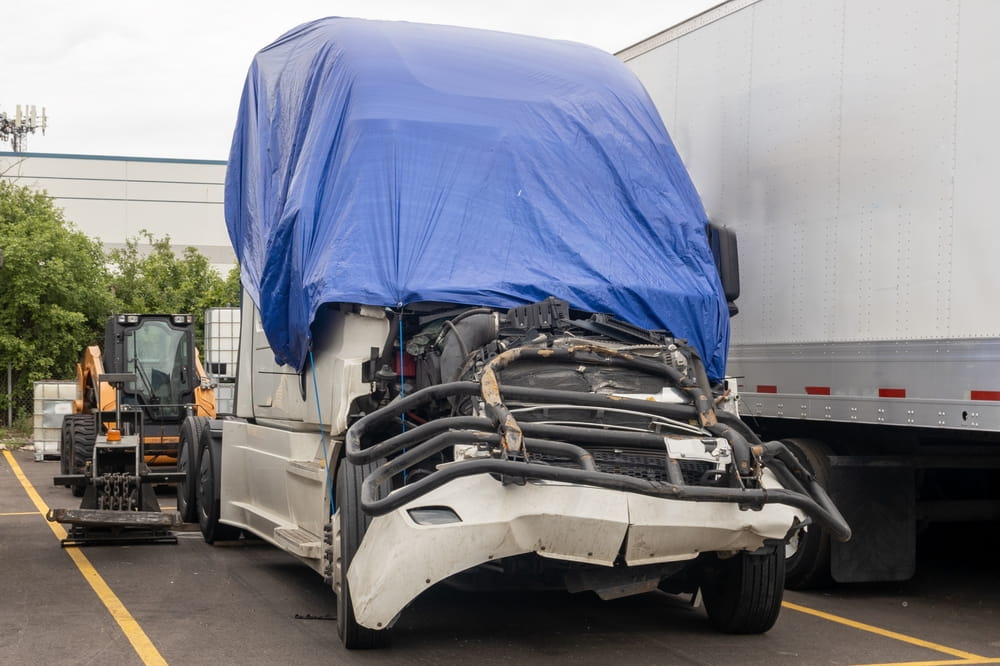
A delivery truck collides with a passenger vehicle near the Staten Island Expressway, leaving the occupants injured and traffic backed up. Beyond seeking medical attention, the injured occupants may face questions about insurance coverage and who caused the collision. Knowing what to do after a Staten Island truck accident begins with reporting the crash and preserving important evidence.
Commercial truck accidents may involve multiple responsible parties, including drivers, carriers, vehicle owners, and maintenance companies. New York no-fault insurance may cover qualifying economic losses, while separate liability claims can address additional damages. Staten Island truck accident lawyers can investigate trucking records, preserve electronic evidence, and identify potentially responsible parties.
Table of Contents
- What Should You Do Right After a Staten Island Truck Crash?
- Who Can Be Liable in a Staten Island Commercial Truck Crash?
- What Mistakes Can Weaken a Staten Island Truck Injury Claim?
- When Should You Hire Staten Island Truck Accident Lawyers?
- Frequently Asked Questions About Staten Island Truck Crashes
What Should You Do Right After a Staten Island Truck Crash?
Which Evidence Should You Preserve After the Collision?
Understanding what to do after a Staten Island truck accident includes calling 911 when necessary, seeking appropriate medical care, and documenting the scene when it is safe. For what to do after a truck accident, record information that can identify both the vehicle and the business operating it.
Photograph the truck, trailer, road, damage, debris, cargo, license plates, company markings, and visible USDOT number. Witness information can also matter. New York requires an MV-104 within 10 days when a crash causes injury, death, or more than $1,000 in damage to the property of any one person.
Which Trucking Records Can Become Important Later?
Commercial carriers may hold evidence that does not exist in an ordinary car case. Useful records can include electronic driving logs, dispatch records, trip documents, bills of lading, fleet communications, payroll records, inspection files, maintenance history, and onboard video when available.
FMCSA requires motor carriers to retain records of duty status and supporting documents for six months. Qualifying supporting documents can include bills of lading, dispatch and trip records, electronic fleet communications, expense receipts, and payroll or settlement records.
Who Can Be Liable in a Staten Island Commercial Truck Crash?
When Can the Driver, Owner, or Carrier Be Responsible?
A Staten Island tractor trailer accident may require investigation beyond the driver’s conduct. Truck crash liability New York can potentially involve the driver, truck owner, trailer owner, motor carrier, employer, maintenance contractor, another motorist, or another party whose negligence contributed to the collision.
New York Vehicle and Traffic Law § 388 generally makes a vehicle owner responsible for injury caused by negligent operation when the driver had the owner’s express or implied permission. The statute also specifically addresses vehicles used together in combination, which can matter in tractor-trailer crashes.
How Does Insurance Work After a Truck Crash?
Commercial truck accident claims NYC may involve both first-party no-fault benefits and liability insurance. New York no-fault generally provides up to $50,000 in basic economic loss for qualifying medical expenses, lost earnings, and certain related costs, regardless of fault.
Truck accident insurance claims can become more complicated when commercial coverage is involved. FMCSA requirements vary by carrier type, vehicle size, cargo, and operating authority. For example, many for-hire interstate property carriers operating vehicles of at least 10,001 pounds must maintain at least $750,000 in financial responsibility, while certain hazardous-material carriers face higher minimums.
What Mistakes Can Weaken a Staten Island Truck Injury Claim?
Why Is a Truck Crash Different From an Ordinary Car Accident?
Commercial crashes can involve business records, separate tractor and trailer ownership, carrier relationships, federal safety requirements, and electronic information. Problems can arise when someone records only the driver’s information and overlooks the carrier, trailer owner, USDOT number, or other businesses connected to the vehicle.
Timeliness is also an issue. ELD & supporting HOS data is typically held for 6 months at the Federal level. However, additional data such as in-cab video/telematics data may be retained based on company policy and can be lost more quickly.
How Can Delay Affect Insurance Benefits and Evidence?
The time limits within New York’s no-fault scheme are often shorter than those within a court case. Usually, you have to provide written notice within 30 days, medical bills within 45 days of treatment, and evidence of loss of earnings within 90 days. There is room to extend these timescales where there is good reason.
Evidence can also be lost. A vehicle can be repaired, recordings can be wiped, witnesses can be more difficult to find, and business documents can go past their normal retention period. The 3-year limitation period for negligence should never be seen as a way to leave it 3 years before looking into the accident.
When Should You Hire Staten Island Truck Accident Lawyers?
When Do Multiple Companies Require Early Investigation?
A Staten Island truck accident lawyer may be useful when several businesses are connected to the truck, fault is disputed, injuries are serious, or important electronic evidence may be lost. A trucking company negligence lawsuit may require distinguishing the driver, motor carrier, tractor owner, trailer owner, maintenance provider, and other companies involved.
Relevant records can include ELD data, dispatch communications, qualification files, inspection and maintenance records, insurance information, GPS data, video, and cargo documents. A company’s connection to the shipment alone does not prove liability, so each party’s actual role must be examined.
When Can a Staten Island Truck Accident Become a Lawsuit?
A Staten Island truck accident lawsuit may become necessary when the parties cannot resolve disputes over fault, medical causation, insurance coverage, future losses, or the amount of compensation. Potential Staten Island truck collision compensation may include supported medical expenses, lost earnings, reduced earning capacity, future treatment, and qualifying noneconomic damages.
The comparative fault doctrine can play a role in plaintiff recoveries. Under CPLR § 1411(b) as currently written, a plaintiff bringing a personal injury claim under Insurance Law Article 51 will be precluded from recovering if their degree of fault exceeds that of the defendants on aggregate. However, if the plaintiff is not precluded from recovery, damages can be reduced by the amount stated in percentage terms of the plaintiff’s fault.
Frequently Asked Questions About Staten Island Truck Crashes
Who Can Be Liable After a Staten Island Truck Crash?
Depending on the evidence, possible defendants can include the driver, vehicle owner, motor carrier, employer, maintenance contractor, or another negligent party.
Which Trucking Records Should Be Preserved?
Relevant material can include ELD records, dispatch communications, driver qualification files, inspection and maintenance records, trip records, bills of lading, GPS data, and onboard video.
How Long Must Carriers Keep Driver Log Records?
FMCSA generally requires motor carriers to retain records of duty status and supporting documents for six months.
Does New York No-Fault Apply After a Truck Crash?
Often, yes, for eligible people injured in covered motor-vehicle crashes. No-fault can pay qualifying economic losses regardless of fault, while liability claims address separate damages against responsible parties.
How Long Do You Have to File a New York Truck Accident Case?
Ordinary negligence personal-injury actions generally have a three-year limitations period. Government defendants, wrongful-death claims, and other special circumstances can involve different deadlines.